"Everyone has a bus"
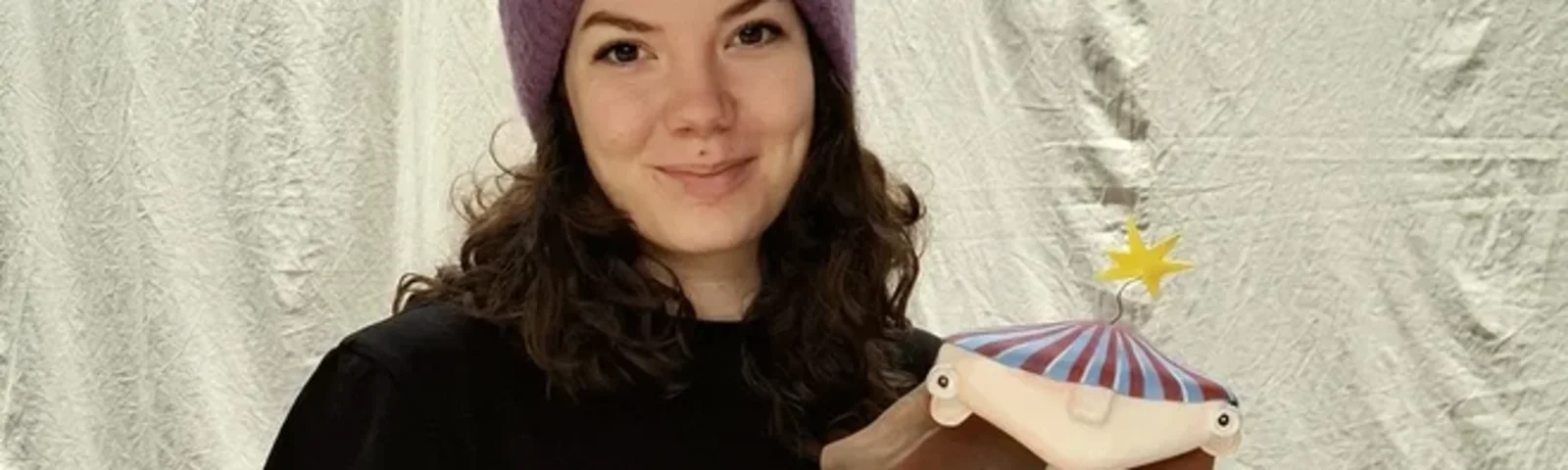
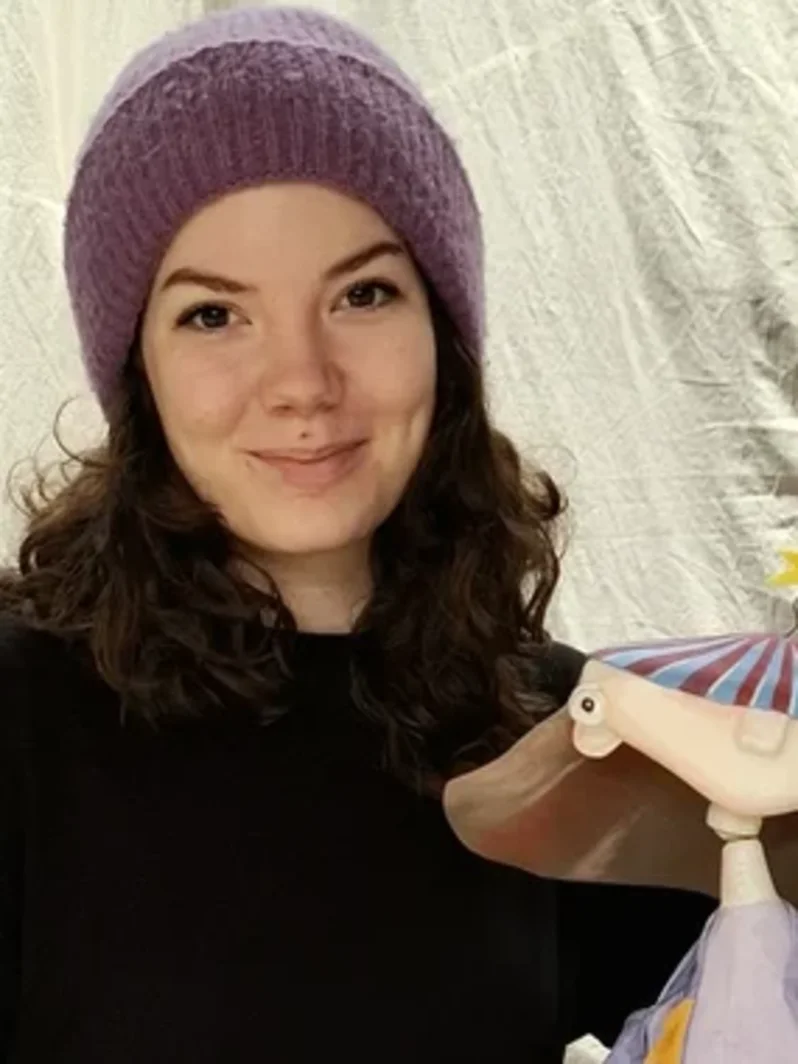
The latest performance by Kabóca Puppet Theater, Csillagbusz (Star Bus), deals with an important topic: how can we find common ground with each other if we perceive the world differently? The main character of the story is Misi, an autistic boy who arrives in a new community. His classmates, including Dorka, want to get to know him and befriend him. The performance is not only about accepting autism spectrum disorder, but also about how we all have our own unique qualities, and by recognizing these, we can enrich each other's lives. We spoke with puppeteer Imola Gidófalvi about the rehearsal process, the challenges of the play, and the character of Dorka.
What challenges and extra preparations did this rehearsal process involve?
Fortunately, Orsolya Nagy, the director of the play, arrived at the reading rehearsal extremely well prepared, so we, actors had a reliable support in Orsi. Right from the start, we discussed some very important things. Autism is a spectrum disorder, which means that it manifests itself differently in each person affected. Based on this, we tried to determine what behavioral traits Misi, who plays the autistic boy, has. In fact, every attempt raises some new question, on the basis of which we fine-tune Misi's character and determine what limits and characteristics we will give him. In addition to Orsi's preparedness, our collaboration with the Autispektrum Association also makes our work easier, as we can turn to them with our questions at any time.
Tell me a little about Dorka, the character you play in the performance.
She is eagerly awaiting the start of the new school year and is particularly curious about her new classmate, Misi. This situation is new to her too, as she has never met an autistic child before, but step by step she understands and adapts to Misi's limitations. Perhaps the entire performance is about this: how Dorka tries to establish channels of communication between Misi and herself. The result of this effort will be the Star Bus.
Does she strive to build a bridge between Misi and the others?
This is not explicitly shown in the performance, but Misi has a separate scene with each character, which reveals how they relate to him. Miss Niki, the class teacher, is in a similar situation to the kids – she has never met an autistic student before, so it is also a challenge for her to deal with this new situation. Dorka does not have a specific goal of bringing her classmates closer to Misi, but she regularly helps and supports him, and tries to involve him in the community.
What can we learn from Dorka?
I think Dorka is a very brave little girl. At one point in the performance, she faces a difficult decision—I won't say any more about it so as not to spoil the story. 😊 Perhaps the most important lesson is that we should not let ourselves be influenced by the opinions of others. One of the important lines in the performance is: "The person who is someone to you is someone, and the others are just others. And be friends with whoever you want to be friends with." With this, we want to emphasize that we should not let others decide who we accept and with whom we form relationships. If we are open to each other, we can find common ground.
Why do you recommend the performance to kids and adults?
For adults, the performance opens a window into how kids accept new classmates and how relationships develop in a community—this applies not only to kids with autism spectrum disorder, but to all newcomers. For the kids, the most important message is that "everyone has their own bus," meaning that everyone has their own unique characteristics. Just because someone reacts or plays differently, they can still be part of the community. We should not exclude them, but understand them and find common ground with them.